

Food Frontiers 2021: Urban Food Systems Innovation Challenge
Launching a Vision for Urban Food Systems
In the bustling cities of Bangladesh, where the demands of urban life often collide with the challenges of food security, a group of young visionaries set out to change the way people eat, produce, and think about food. Food Frontiers 2021 was not merely a competition; it was a journey; it was a platform that invited aspiring entrepreneurs to step forward with bold ideas capable of transforming the urban food landscape.
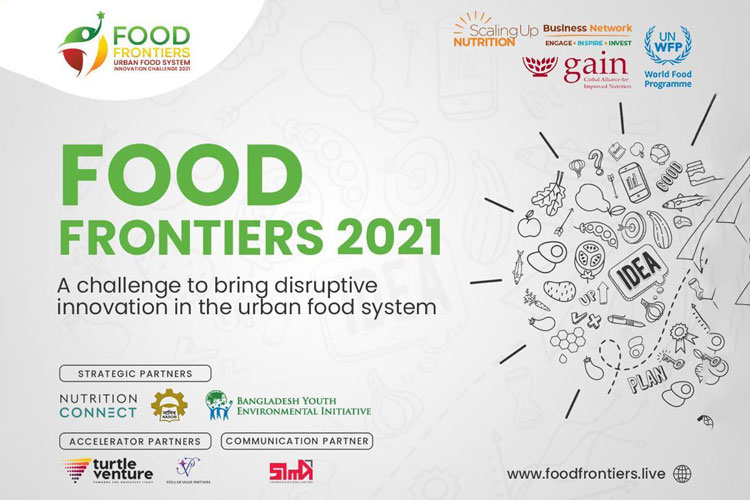
In May 2021, Bangladesh’s Scaling Up Nutrition Business Network (SBN), co-convened by the Global Alliance for Improved Nutrition (GAIN) and the United Nations World Food Programme (WFP), launched the Food Frontiers: Urban Food System Innovation Challenge 2021. From the opening of the application portal to the final pitch event, the program ignited creativity, nurtured innovation, and offered participants the tools, mentorship, and connections needed to turn their visions into real-world impact.
For these young changemakers, it was an opportunity to reimagine a future where food systems are sustainable, resilient, and inclusive, touching both lives and the environment in meaningful ways.
This initiative aimed to identify and support innovative solutions that address the challenges of urban food systems in Bangladesh. The competition sought to engage young entrepreneurs and startups in developing sustainable, inclusive, and scalable solutions to improve food security, nutrition, and the environmental impact of food production in urban areas.
Participants and Bootcamp: Nurturing Innovation
Following the launch, a rigorous selection process culminated in the participation of 15 startups in an intensive week-long bootcamp held in March 2021. The bootcamp provided participants with mentorship, training, and resources to refine their business models and strategies. The program focused on key areas such as sustainable food practices, technological innovation, and inclusive business models, preparing the participants for the final pitch event.
Among the participants were notable innovators like Syed Tahmid Zaman, Shakil Ahmed Tanvir, Mashhur H. Shurid, Engr. Proma Sen, Aman Jain, and Nurul Amin, each bringing unique perspectives and solutions to the table.
Thematic Areas: Focused Innovation
The startups’ solutions addressed several thematic areas critical to urban food systems:
Sustainable Food Practices: Initiatives aimed at reducing food waste, promoting regenerative agriculture, and improving resource efficiency.
Technological Innovation: Solutions leveraging technology to enhance food traceability, safety, and accessibility.
Inclusive Business Models: Approaches designed to reach underserved populations, ensuring equitable access to nutritious food.
Nutrition and Consumer Awareness: Campaigns and products focused on educating consumers and promoting healthier dietary choices.
These thematic areas guided the development of the startups’ proposals, ensuring alignment with the overarching goals of the challenge.
Investor Night: Bridging Innovation and Investment
A pivotal moment in the Food Frontiers 2021 journey was the Investor Night, held on June 23, 2021. This event provided the startups with an opportunity to present their business models to a diverse audience of investors, including Truvalu Enterprises, Anchorless Bangladesh, SEAF, Bangladesh Angels Network, and commercial investors such as BRAC, NDB Capital, and Lanka Bangla Finance. The event facilitated meaningful interactions between entrepreneurs and potential investors, fostering connections that could lead to future collaborations and funding opportunities.
Grand Finale
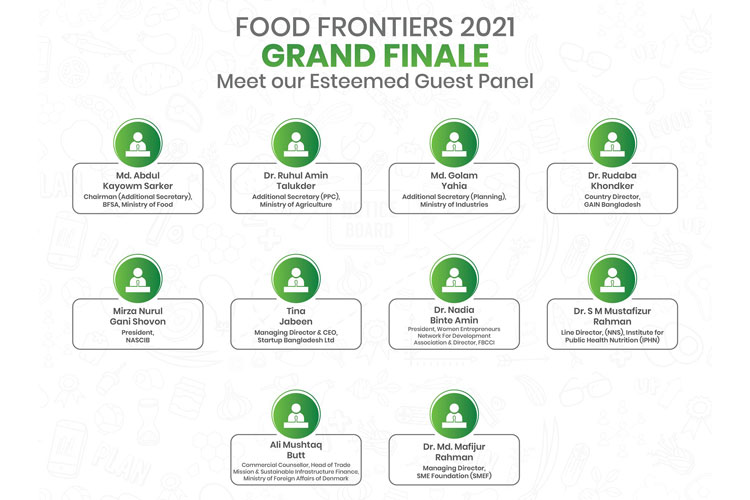
The culmination of the challenge was the Grand Finale, held on June 30, 2021, where the top 12 finalists pitched their refined business models to a distinguished panel of judges, including Dr. Quamrun Nahar (BIRDEM), Piet Vochten (WFP), Charlotte Pederson (GAIN), Sharawwat Islam (Truvalu Enterprises), and several leading academics. The judging criteria focused on innovation, scalability, impact, and feasibility.
Winners and Rewards
Infrastructure Support Winners: The winners of the infrastructure support category were individuals who showcased exceptional potential in transforming Bangladesh’s urban food systems. Syed Tahmid Zaman, with his venture, GKB Kitchens 4.0, emerged as one of the key innovators. Shakil Ahmed Tanvir, the founder of Grain, also stood out for his impactful approach to food sustainability. Additionally, Mashhur H. Shurid, with his startup iPage, demonstrated remarkable innovation in food solutions, earning well-deserved infrastructure support.
Cash Prize Winners: The cash prize winners demonstrated not only visionary ideas but also the drive to bring them to life. Engr. Proma Sen, with her innovative Jackfruit initiative, was recognized for her contributions to sustainable food production. Aman Jain, the founder of Inspira, impressed judges with his forward-thinking solutions in the food sector. Nurul Amin, with his venture Dr. Recycle BD, garnered attention for his efforts to tackle food waste and contribute to a more circular food economy. Prize Details: The winners received a combination of infrastructure support and cash prizes to help bring their ideas to life. Additionally, they were granted valuable mentorship and business development opportunities to scale their ventures further.
Impact and Legacy
The Food Frontiers 2021 initiative successfully identified and supported innovative solutions that address the pressing challenges of urban food systems in Bangladesh. By engaging young entrepreneurs, providing mentorship and resources, and facilitating connections with investors, the program has laid the groundwork for sustainable and inclusive improvements in urban food security and nutrition.
The legacy of Food Frontiers 2021 continues as the winners and participants implement their solutions, contributing to the transformation of Bangladesh’s urban food systems and serving as a model for similar initiatives globally. Ultimately, Food Frontiers 2021 set a new standard for how innovation, when supported with the right resources, can drive meaningful change. The success of the program is a testament to the power of youth entrepreneurship and the importance of continued investment in bold, disruptive ideas that have the potential to shape a better future for people and the planet